






Cold Room Market Trends in 2026: Demand, Pricing, and Supply
Cold room demand is widening beyond traditional storage
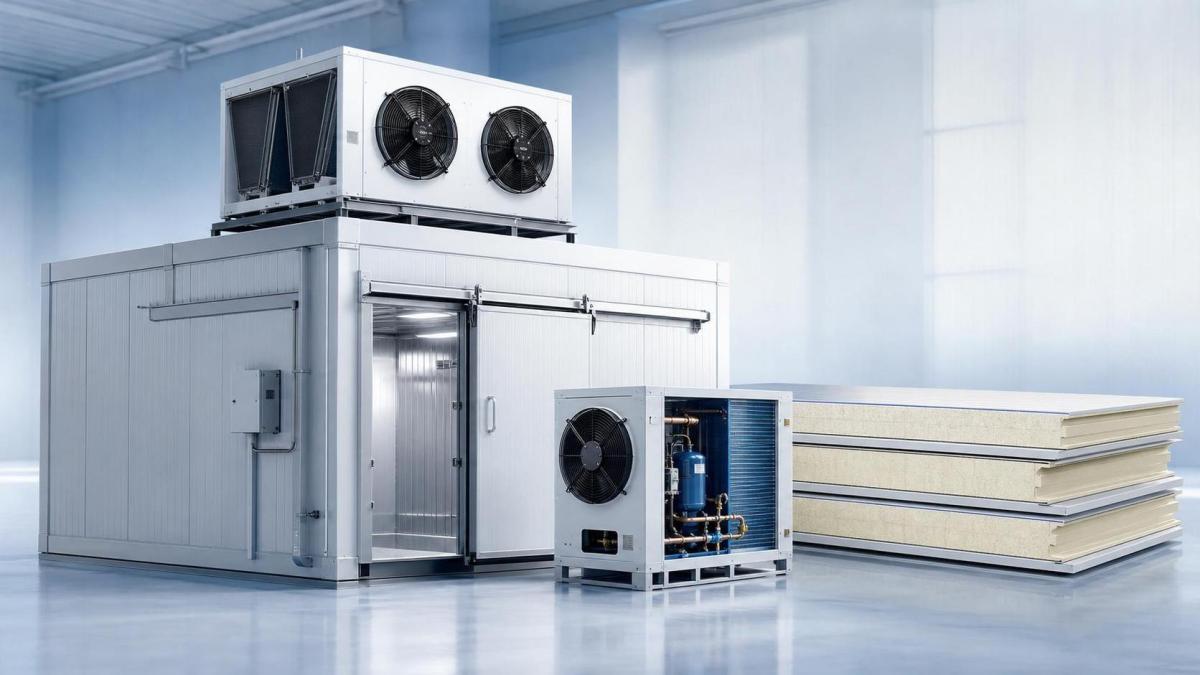
The cold room market in 2026 is moving into a more selective phase, not a slower one.
Demand is still rising, but buyers are no longer satisfied with basic capacity alone.
More projects now require energy efficiency, stable temperature control, faster installation, and easier maintenance across the full cold chain.
This shift is especially visible in food processing, retail distribution, pharmaceuticals, and regional logistics expansion.
As a result, the cold room business is becoming less about standalone equipment and more about system reliability.
Why the market feels different this year
Several forces are reshaping the cold room landscape at the same time.
- Electricity costs remain a pressure point, making efficient refrigeration equipment more attractive.
- End users want shorter construction cycles, which supports modular cold room solutions.
- Export markets are paying closer attention to certification, safety, and long-term operating stability.
- Supply chains are more available than in recent years, but pricing is still sensitive to metals, insulation materials, and freight shifts.
The important point is that cold room pricing is no longer driven only by raw material cost.
It is increasingly shaped by component efficiency, compliance requirements, and delivery certainty.
Pricing pressure is becoming more technical
In 2026, a cheaper cold room can quickly become a more expensive asset in operation.
That is why pricing discussions are moving closer to lifecycle value.
This is one reason integrated suppliers are drawing more attention in the cold room market.
A company with in-house R&D, automated production, and testing discipline can manage consistency better when price pressure rises.
Supply decisions now depend on system depth
More buyers are evaluating whether a supplier can support the full cold room package, not just one component.
That includes panels, doors, air coolers, condensers, condensing units, and design coordination.
This preference has helped established producers with mature manufacturing footprints stand out.
Shandong Bo'er Refrigeration reflects that direction through its one-stop cold storage system capabilities, export experience, and broad certification base.
With a 20,000-square-meter production base and automated equipment, the company is aligned with the market’s demand for scalable and standardized delivery.
In practice, components such as the U-Type Top Air Outlet Condenser fit this trend because system matching matters more than isolated specifications.
What deserves closer attention in the next cycle
The next phase of the cold room market will likely reward careful portfolio planning more than aggressive price chasing.
- Track demand by application, especially food cold chain, medical storage, and regional warehousing.
- Compare suppliers by quality assurance systems, not only by unit quotation.
- Watch energy-saving performance, panel quality, and condenser efficiency together.
- Review delivery reliability and after-sales response before expanding product lines.
A cold room project now carries more technical and commercial variables than it did a few years ago.
The better approach is to follow the signals behind demand, pricing, and supply, then adjust sourcing decisions in stages.
That is where stronger long-term opportunities are more likely to appear in 2026.
CHAIDONG
Professional generator set manufacturer
24/7 before-sales and after-sales services
Comprehensive technical support