






How Display Cold Room Glass Design Affects Product Visibility and Energy Use
Start with the glass package, not the frame finish
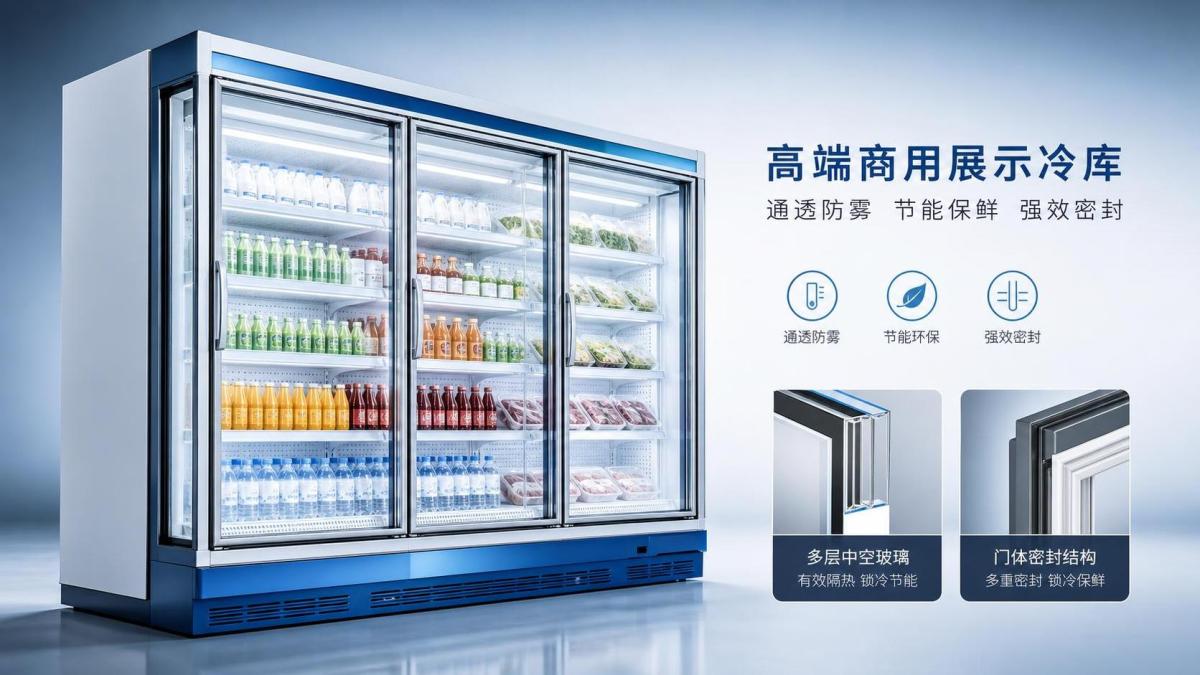
When people evaluate a Display Cold Room, they often react to the visual impression first: clean lines, large viewing area, slim door profile. That is understandable, but it is not where the real decision should begin. The glass package has a direct effect on two numbers that matter in operation: how clearly customers can see the product, and how hard the refrigeration system must work to hold temperature.
For a buyer comparing options, the useful question is simple: does this glass design help merchandise sell without quietly raising energy use and maintenance workload? The answer usually comes from a handful of checks that are easy to overlook during specification review.
Check whether the glazing is solving condensation or merely hiding it
If the glass fogs, product visibility is already lost. It does not matter how good the lighting is or how neatly the shelves are arranged. In high-traffic retail or distribution environments, fogging usually shows up around door edges, at eye level, or after repeated openings.
Ask what prevents condensation: heated glass, anti-fog coating, glass structure, door sealing, or a mix of these. Then match that answer to the use case. A lightly opened cold room and a busy fresh-food access point do not create the same moisture load. If the supplier only talks about appearance and not operating conditions, you are missing the real evaluation.
- Look for consistent visibility across the full viewing area, not just the center pane.
- Pay attention to corners and door perimeters, where condensation often starts first.
- Ask how the anti-fog method affects power draw and maintenance over time.
A common mistake is choosing a glass door that looks excellent in a showroom but was never evaluated for repeated opening cycles in a humid operating space.
Treat pane configuration as an energy decision
Single, double, and more insulated glazing structures change more than the U-value on paper. They affect surface temperature, condensation risk, compressor load, and how stable the inside environment stays after frequent door use.
In practice, thicker or better-insulated glass usually improves thermal performance, but that is only worthwhile if the door is opened often enough, the room runs at a demanding temperature, or the project has a serious energy target. For some applications, especially where visual display matters but access frequency is moderate, the best value is not the most complex glass build. It is the one that fits the actual duty cycle.
Do not separate visibility from lighting and product depth
Glass performance is often judged from one standing position, but customers do not shop that way. They scan, move, compare, and decide quickly. If the room is deep, the first row may remain clear while rear stock disappears into shadow or reflections. That creates a display room that technically shows product, but does not merchandise it well.
When reviewing a Display Cold Room, check the glass together with internal lighting layout, shelf spacing, and product packaging finish. Reflective packaging, dark labels, and tightly packed shelves can make the glass look worse than it is. On the other hand, weak lighting can tempt teams to overspecify glass when the real fix is inside the room.
This matters even more in multi-zone projects. In larger cold chain environments, where rooms may support refrigerated, frozen, and deep-cold storage in the same facility, the display-facing sections need different visibility logic than back-of-house storage. Solutions such as Cold Chain Logistics Cold Storage and Functional Cold Storage are often built around temperature zoning, transfer efficiency, and modular expansion, so glassed display access points should be assessed as part of that broader operating flow rather than as a standalone door choice.
Review door format based on traffic, not aesthetics
Swing doors, sliding doors, and larger glazed access sections each create different energy and usability outcomes. The wrong choice usually shows up as longer open times, congestion during replenishment, or repeated temperature recovery cycles.
- Measure who opens the door most often: shoppers, staff, pickers, or loading crews.
- Check whether the opening width matches the product handling method.
- Review how quickly the door returns to a fully sealed position after use.
For business evaluators, this is where nice-looking designs can become expensive. A wider glazed opening may improve presentation, but if it also increases warm-air infiltration and slows restocking, the energy penalty will stay with the project long after the visual appeal stops being new.
Check how the glass choice interacts with temperature range
Not every display application runs at the same temperature, and that changes the design logic. A refrigerated area operating between -18°C and +10°C poses different visibility and condensation demands from a freeze storage area at -25°C to -18°C, and different again from deep-cold applications down to -35°C. The lower the temperature and the higher the ambient humidity, the less forgiving the glass system becomes.
That does not mean every lower-temperature room should maximize glazing. It means the evaluator should ask whether the visible area is commercially necessary, and whether the selected structure supports that temperature band without relying on constant corrective maintenance.
Ask for a quality conversation, not just a spec sheet
A serious refrigeration manufacturer should be able to explain how glass doors fit into the larger cold room system: panel structure, sealing details, refrigeration load, fabrication consistency, and serviceability. That broader view matters because glass performance can be undermined by weak installation tolerances or poor coordination with the rest of the enclosure.
Shandong Boer Refrigeration Equipment Co., Ltd. operates as a refrigeration manufacturer with R&D, design, production, and cold storage system capabilities, including modular cold rooms, polyurethane sandwich panels, and cold storage doors. For buyers, that kind of integrated supply scope is useful when the evaluation goes beyond a single glass component and into the whole system’s build quality, production consistency, and after-sales response.
A practical order for making the decision
Use this sequence when comparing options. Start with the operating temperature and door-opening frequency. Then review condensation control, pane structure, and perimeter sealing. After that, check sightlines, internal lighting, and product depth. Only once those are clear should you compare styling, framing details, or visual extras.
If two Display Cold Room options look similar, the better choice is usually the one that keeps visibility stable through real operating hours while limiting infiltration and recovery load. That is the balance worth paying for: clear product presentation without building hidden energy cost into the room from day one.
CHAIDONG
Professional generator set manufacturer
24/7 before-sales and after-sales services
Comprehensive technical support