






How to Troubleshoot High Head Pressure in an H-Type Condenser 402CD
What should you check first when head pressure climbs too high?
Start with the fast checks that can change condensing pressure within minutes: condenser airflow, fan operation, coil condition, and ambient air recirculation. On an H-Type Condenser 402CD, high head pressure is often not a refrigerant-side mystery at all. It is usually a heat rejection problem.
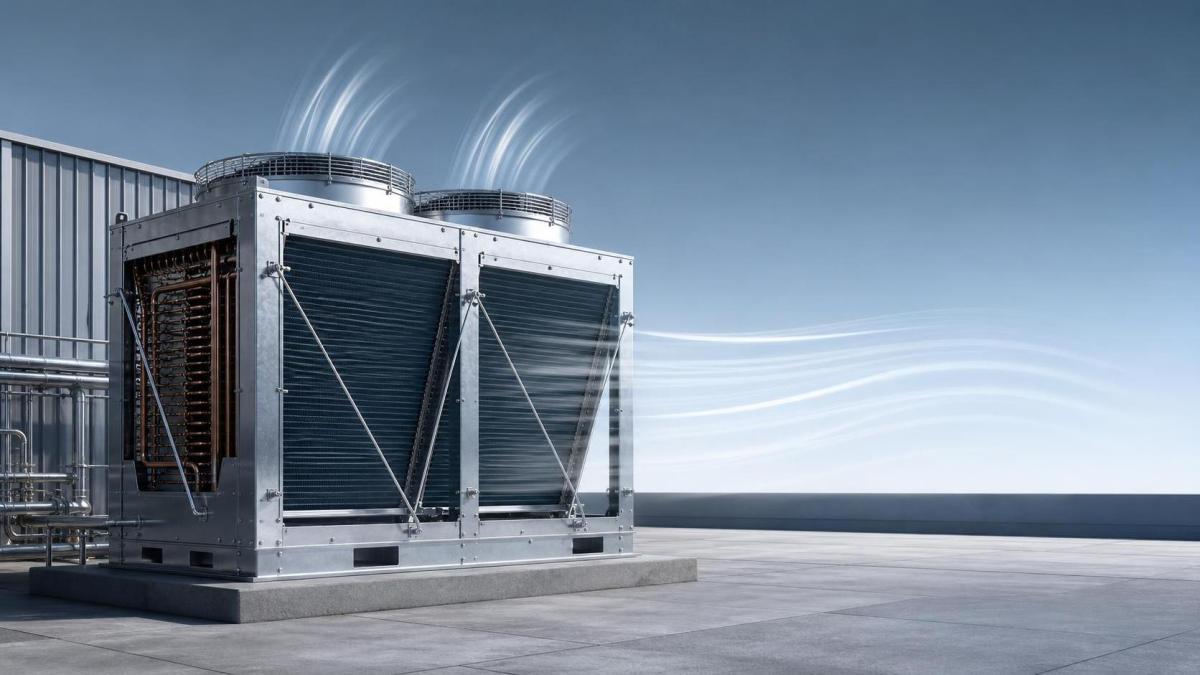
Before connecting gauges and making charge decisions, look for blocked fins, damaged fan blades, reverse fan rotation, failed motors, or hot discharge air being pulled back across the coil. If the coil face is visibly dirty or the unit is installed too close to a wall or another condensing surface, that is enough to push pressure up under load.
For after-sales teams, this matters because adding or removing refrigerant before fixing airflow usually wastes time and can create a second fault.
How do you know whether the problem is airflow or refrigerant charge?
Watch how the system behaves, not just the pressure number. If head pressure rises quickly during hot weather, improves when you wash the coil, or drops when fans are forced on, the fault is probably on the air side. If the condenser outlet stays heavily backed up with liquid and subcooling is unusually high after airflow has been confirmed, overcharge becomes more likely.
A practical field sequence is:
- Record ambient temperature and condensing pressure.
- Confirm all condenser fans are running at the correct speed and direction.
- Inspect and clean the coil if needed.
- Check for airflow short-circuiting around the unit.
- Only then evaluate charge using system readings, sight conditions if fitted, and subcooling data allowed by the equipment design.
The common mistake is treating every high-pressure alarm as an overcharge condition. In the field, dirty coils and weak airflow show up more often than true overfilling.
Can a dirty condenser coil alone cause serious high head pressure?
Yes. Even a moderate layer of grease, dust, lint, or cottonwood can cut heat transfer enough to raise condensing temperature and compressor workload. On H-type condensers, fouling often starts on the air entering side and may look lighter than it really is until the coil is backlit or washed.
Clean the coil with a method that matches the contamination. Dry debris can often be removed with low-pressure air or brushing in the fin direction. Greasy buildup usually needs a coil-safe cleaner and a full rinse. Avoid crushing fins or driving dirt deeper into the pack. After cleaning, compare the head pressure again under similar load and ambient conditions. That before-and-after comparison tells you more than a visual check alone.
What fan problems usually push an H-Type Condenser 402CD into high-pressure operation?
Three show up repeatedly in service work: a fan not running, a fan running backward, or a fan that is running but not moving its rated airflow. The last one is easy to miss. A weak capacitor, wrong rotation after wiring work, bent blades, or a motor slowing under heat can all leave the unit looking “on” while the condenser is still starved for airflow.
Check each motor individually. Verify amperage against the motor nameplate, listen for bearing noise, and feel for abnormal vibration. If multiple fans are staged, make sure the control sequence is actually bringing extra airflow in as head pressure rises.
When should you suspect non-condensables or overcharge?
Suspect them after the air side has been ruled out. Non-condensables often show up as head pressure that remains stubbornly high even when the condenser is clean, fans are healthy, and ambient conditions are reasonable. The pressure-temperature relationship may also stop making sense for the refrigerant in use.
Overcharge is more likely when service history shows recent refrigerant addition, especially if it was done without a clear charging method. In that case, look at the complete picture: condenser flooding, elevated subcooling, and no obvious airflow restrictions. Do not vent refrigerant based on pressure alone. Recover, weigh, and recharge according to the system requirement when the diagnosis supports it.
Could the installation environment be the real cause?
Absolutely. A well-built condenser can still run hot if the site traps heat. Units installed in tight service alleys, under low canopies, near exhaust outlets, or where multiple condensers discharge into the same air pocket often recycle hot air. That drives head pressure up even when the coil and fans are fine.
This is especially relevant in modular or temporary refrigeration setups. For example, with Containerized Cold Storage, the refrigeration system, insulated structure, and electrical controls are integrated into a transportable unit, so placement on site has a direct impact on condenser breathing space. In remote operations, event sites, or emergency deployments, technicians should pay extra attention to clearance, prevailing wind, and whether hot discharge air can loop back toward the intake side.
What readings are worth recording before you shut the system down?
Take the readings that help you separate symptoms from causes. At minimum, log ambient temperature, discharge pressure, suction pressure, line temperatures if available, fan status, and whether the coil is clean or restricted. Also note load condition: pull-down, stable holding, or heavy door-opening cycle.
These notes are useful later if the problem becomes intermittent or has to be handed to another technician.
What should after-sales teams avoid doing during diagnosis?
Avoid changing charge first, swapping parts without confirming the failure, or judging the condenser by sound alone. Another bad habit is cleaning only the visible coil face and leaving the deeper packed sections untouched. High head pressure often has a simple cause, but it gets expensive when the first response is guesswork.
If the unit is part of a movable cold storage setup, also avoid placing temporary barriers, pallets, or tarps near the condenser section after commissioning. That can quietly recreate the same airflow fault a week later.
What is the most reliable troubleshooting order in the field?
Use a heat-rejection-first approach: site conditions, coil, fans, controls, then refrigerant circuit. That order fits most H-Type Condenser 402CD calls because it deals with the highest-probability faults before moving into recovery or deeper system work.
If head pressure drops after airflow is restored, stop there and recheck system stability under normal load. If it stays high, move on to charge condition and possible non-condensables. Good troubleshooting is less about chasing every possible cause and more about ruling out the common ones in the right order.
CHAIDONG
Professional generator set manufacturer
24/7 before-sales and after-sales services
Comprehensive technical support