






What Drives the Total Installed Cost of an H-Type Condenser 402CD?
Start with the number that usually misleads the budget
When a finance team reviews an H-Type Condenser 402CD purchase, the quoted unit price is usually the easiest figure to compare and the least useful one on its own. Installed cost moves with a different set of drivers: coil material, fan arrangement, site access, refrigerant piping distance, electrical work, corrosion protection, compliance paperwork, and the labor needed to put the system into stable operation. That is why two offers that look close on day one can land very far apart once the condenser is on the roof, connected, commissioned, and running through a hot season.
If you are approving spend rather than selecting every component yourself, the practical question is not “Which quote is lower?” It is “What has actually been included, and what cost is still waiting to appear later?”
Check the coil build before you compare prices
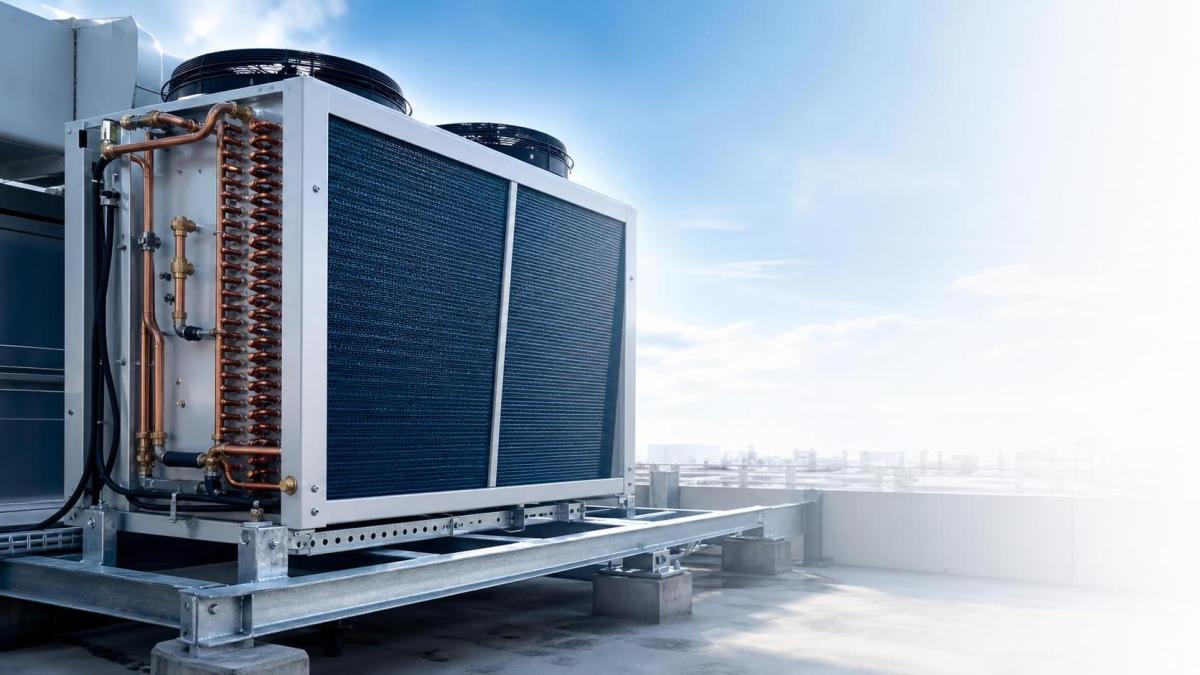
A low purchase price often starts with lighter material or a less durable coil package. For an H-Type Condenser 402CD, that means you should look at copper tube quality, tube wall thickness, fin material, fin pitch, and whether the unit is built for the environment where it will actually operate.
- In coastal or corrosive industrial locations, anti-corrosion treatment is not an upgrade to discuss later. It changes service life and replacement timing.
- A condenser that looks cheaper on paper can become the expensive option if fin corrosion or tube leakage shortens the replacement cycle.
- Ask for the coil specification sheet, not just a sales drawing. You want the material list and operating limits tied to the exact model offered.
This matters because capital approval should reflect expected service life, not only procurement cost. A better-built coil is often easier to defend financially than an apparently cheaper unit with higher failure risk.
Capacity claims only make sense with the design condition attached
One of the most common purchasing mistakes is comparing heat rejection numbers without checking the ambient temperature, refrigerant, condensing temperature, and airflow assumptions behind them. Capacity can look generous in a quotation and still be undersized for the real job.
For finance approvers, the risk is straightforward: an undersized condenser does not just create a technical problem. It raises compressor load, increases energy consumption, and can trigger repeated service calls in peak conditions. The budget impact shows up later as operating expense, product risk, and unplanned retrofit work.
Before approving the H-Type Condenser 402CD, check whether the supplier tied capacity to your actual refrigerant and ambient design point. If that line is missing, the price comparison is incomplete.
Installation complexity can outweigh a small equipment discount
A condenser with a lower ex-works price can still cost more to install if the site is tight, lifting access is poor, or the support frame needs extra steelwork. Roof loading, crane time, pipe routing, vibration isolation, weather shielding, and electrical cable length all move the installed total.
This is where layout matters. In projects with narrow machine rooms, dense equipment placement, or limited horizontal clearance, a different condenser form factor may lower the full installed bill even if the unit itself is not the cheapest line item. For example, U-Type Top Air Outlet Condenser configurations are often considered for confined spaces because the top air discharge reduces side clearance demand and the footprint can be smaller than a comparable H-type layout. That does not make it the right answer for every project, but it is the kind of comparison that affects labor, steelwork, and piping cost in a real approval file.
Do not separate equipment cost from refrigerant-side cost
Finance reviews often split the condenser, piping, valves, and refrigerant charge into different budget lines. That is convenient for accounting and dangerous for decision quality. A condenser choice influences line sizing, refrigerant volume, pressure drop, and commissioning behavior.
What to ask for:
- Total refrigerant charge estimate for the full system, not only the condenser shell.
- Proposed piping length and diameter schedule.
- Expected pressure drop across the condenser circuit.
- Whether the offer includes valves, receivers, supports, insulation, and commissioning refrigerant.
A quote that excludes these items can look competitive while shifting a meaningful share of installed cost elsewhere in the project.
Energy cost belongs in the approval, not in operations only
An H-Type Condenser 402CD is not just bought once; it is powered for years. Fan motor power, airflow efficiency, heat exchange effectiveness, and control logic all affect electricity use. On heavily loaded cold-chain systems, a small efficiency gap can outweigh a moderate purchase discount within a short period.
The practical review is simple: ask suppliers to show fan count, motor rating, and the operating condition used for their performance statement. If one offer reaches the same duty with less electrical input or with more stable condensing control, that is a finance argument, not a technical footnote.
Compliance and documentation can add real cost late in the process
This line is often ignored until goods are ready to ship or install. Then the missing documents become urgent and expensive. The required file set depends on destination market, project type, and buyer specification, so the cost question is not “Is the product certified?” but “Does this exact order come with the documents our project needs?”
Shandong Boer Refrigeration Equipment Co., Ltd. manufactures commercial refrigeration and cold storage equipment and states that its major products hold multiple international certifications. For an approval decision, though, the right step is still to verify which documents apply to the exact condenser and destination, then make sure they are included in the supply scope.
Maintenance access changes lifetime cost more than buyers expect
Some condensers are inexpensive to buy and awkward to clean. That becomes a problem fast in dusty workshops, rooftop installations, or locations with oily air. If the coil is difficult to access, cleaning intervals stretch, head pressure rises, and performance drops before anyone notices it in the monthly budget review.
Ask a very plain question during procurement: how much labor time is needed to clean the coil and replace a fan motor on this unit? If the supplier can show the access path clearly, you are closer to the real ownership cost. If they stay at brochure level, assume maintenance is harder than the quote suggests.
Freight, packaging, and handling are not minor extras
Large condensers create costs before installation starts. Packaging method, shipping dimensions, protective measures for fins, unloading equipment, and local transport constraints all matter. Damage to fins or frame distortion during transport can erase any purchase saving and delay startup.
This is especially relevant when comparing offers from different production bases or export routes. A supplier with standardized manufacturing and broader service coverage may reduce hidden logistics risk even if the visible product line is not the lowest number in the comparison sheet.
How to approve the budget with fewer surprises
The cleanest way to review an H-Type Condenser 402CD purchase is to compare suppliers in this order: performance at your actual design condition, full material specification, installation scope, refrigerant-side cost, electrical consumption, compliance documents, maintenance access, and logistics. That sequence catches most of the budget distortion that hides behind a low headline price.
If two quotations are still close after that, approve the one with the clearer scope and the lower lifecycle risk. In cold-chain projects, the expensive mistake is rarely paying a little more upfront. It is approving a condenser package that looked complete but was not.
CHAIDONG
Professional generator set manufacturer
24/7 before-sales and after-sales services
Comprehensive technical support