






Cold Room Applications: Solutions for Food, Pharmaceutical, Retail & More
Cold rooms are used across many industries to store products under controlled temperature conditions. However, the requirements are different for each application. Food, meat, seafood, agricultural products, dairy products, pharmaceuticals, supermarkets, restaurants, hotels, and cold chain logistics all require different combinations of temperature, storage capacity, insulation, refrigeration equipment, and layout.
A suitable cold room should therefore be designed according to the products being stored and the way the facility operates.
This guide introduces the major cold room applications and explains the key factors to consider when selecting a solution for each industry.
Cold Room For Food Storage: Design, Temperature & Equipment
Food storage is one of the most common applications for cold rooms. Refrigerated storage can help maintain product quality and extend the usable storage period of temperature-sensitive food.
Different foods have different storage requirements, so the cold room should be designed according to the specific products.
Important considerations include:
Required storage temperature
Product quantity
Product entry temperature
Storage duration
Door opening frequency
Insulation
Refrigeration capacity
Air circulation
Food cold rooms can be used for meat, seafood, dairy products, fruits, vegetables, beverages, prepared foods, and other refrigerated products.
Cold Room For Meat Storage: Temperature, Capacity & Design
Meat storage requires reliable temperature control to help maintain product quality throughout storage and distribution.
A meat cold room should be designed according to the type of meat, product condition, storage volume, and required temperature.
Capacity planning should consider product quantity, pallets, shelves, loading areas, and airflow space. The refrigeration system should also account for the heat introduced when fresh products enter the room.
For larger meat processing facilities, multiple temperature-controlled rooms may be used for different stages of processing and storage.
Cold Room For Seafood Storage: Temperature & Refrigeration Guide
Seafood is highly temperature-sensitive and requires appropriate refrigerated or frozen storage conditions.
Seafood cold rooms may be used for fresh fish, shellfish, frozen seafood, and processed seafood products. The required temperature depends on the specific product and storage process.
Because seafood may enter storage at different temperatures, refrigeration capacity should consider product heat load as well as room dimensions.
Good insulation, stable airflow, reliable refrigeration, and appropriate door sealing are important for maintaining consistent conditions.
Cold Room For Fruit And Vegetable Storage: Design & Temperature
Fruits and vegetables require carefully controlled storage conditions because excessive temperature, poor airflow, or unsuitable humidity can affect product quality.
Cold rooms for agricultural products should consider:
Product type
Required temperature
Humidity requirements
Air circulation
Storage duration
Product quantity
Loading frequency
Different fruits and vegetables may require different storage conditions. Therefore, a single temperature setting may not be suitable for every agricultural product.
The layout should also provide sufficient space between products to allow air to circulate effectively.
Cold Room For Dairy Products: Temperature & Storage Requirements
Dairy products such as milk, cheese, yogurt, cream, and other refrigerated products require controlled-temperature storage.
A dairy cold room should provide stable temperature conditions and sufficient refrigeration capacity for the expected product load.
Important factors include:
Product type
Storage temperature
Storage capacity
Product entry temperature
Door opening frequency
Hygiene requirements
Refrigeration performance
For dairy processing facilities, cold storage may be integrated with production, packaging, and distribution areas to support the complete cold chain.
Cold Room For Pharmaceutical Storage: Temperature & Design Requirements
Pharmaceutical cold storage requires more precise temperature control than many general commercial applications.
Depending on the products, pharmaceutical cold rooms may require controlled temperature ranges, monitoring systems, alarms, data recording, and reliable refrigeration equipment.
The design should consider:
Required temperature range
Temperature stability
Storage capacity
Monitoring requirements
Alarm systems
Backup and reliability requirements
Insulation
Access control
The exact storage conditions should always follow the requirements specified for the pharmaceutical products being stored.
Cold Room For Supermarkets: Design, Equipment & Storage Solutions
Supermarkets often require several types of refrigerated storage because they handle a wide variety of products.
Cold rooms may be used for:
Meat
Seafood
Dairy
Fruits and vegetables
Frozen foods
Beverages
Prepared foods
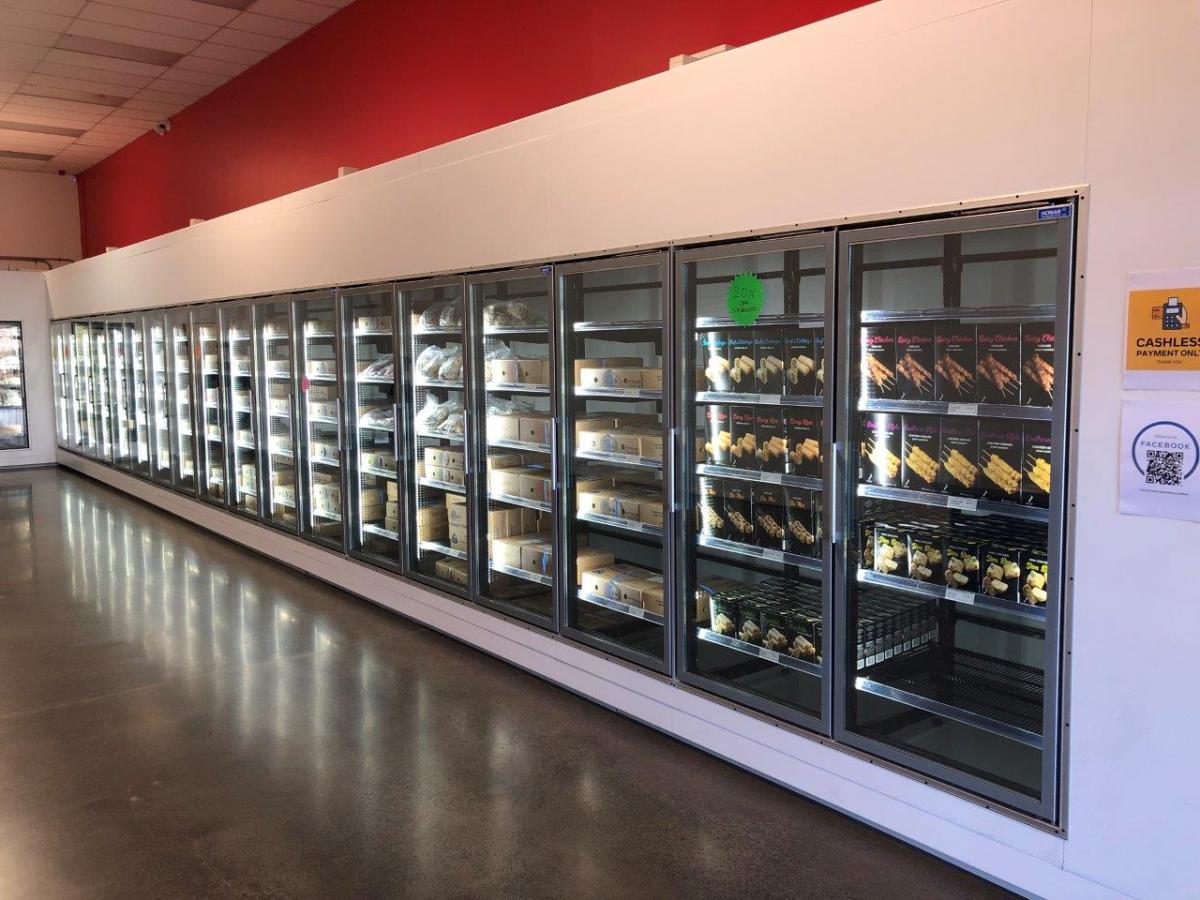
Supermarket cold rooms typically require easy product access, efficient use of limited space, reliable temperature control, and refrigeration systems capable of handling frequent door opening.
The layout should separate products according to their storage requirements while maintaining convenient access for employees.
Cold Room For Restaurants And Hotels: Size, Temperature & Equipment
Restaurants and hotels need refrigerated storage for daily food preparation and service.
A commercial cold room can provide more organized storage than multiple individual refrigerators and can be configured according to the available space.
The design should consider:
Daily food volume
Product categories
Storage temperature
Available space
Door opening frequency
Product access
Cleaning and maintenance
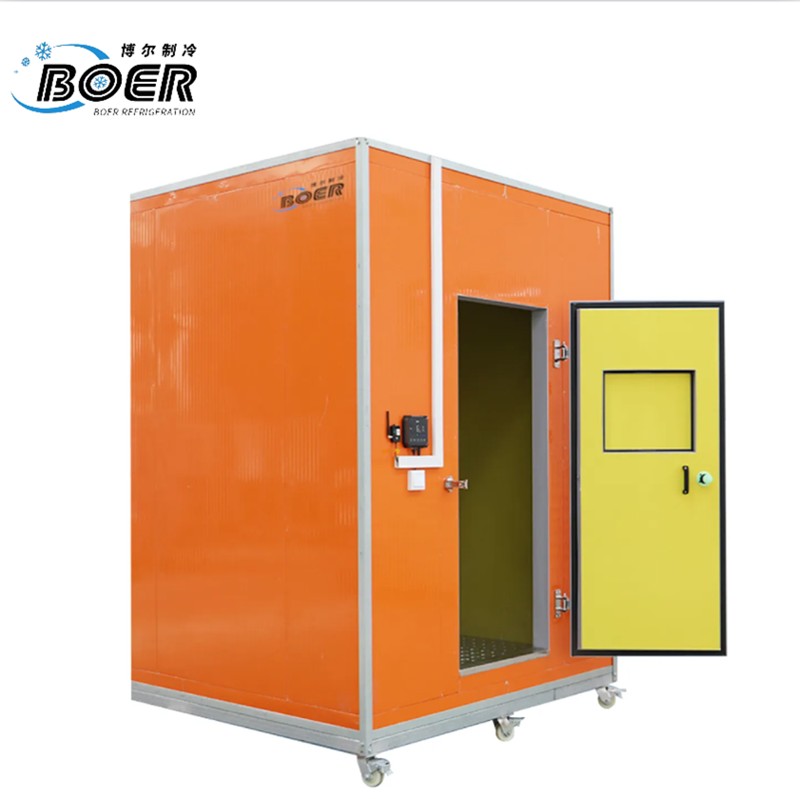
For smaller kitchens, compact walk-in cold rooms may be sufficient. Larger hotels and food service facilities may require multiple temperature-controlled rooms.
Cold Room For Cold Chain Logistics: Design & Refrigeration Solutions
Cold chain logistics requires temperature-controlled storage throughout the movement and distribution of products.
Cold rooms used in logistics facilities may need larger storage capacity, multiple temperature zones, high refrigeration capacity, and temperature monitoring.
The design should consider:
Product turnover
Pallet capacity
Loading and unloading frequency
Storage temperature
Refrigeration redundancy
Air circulation
Monitoring systems
Loading dock configuration
Large logistics facilities may use separate cold rooms for chilled and frozen products, allowing each area to operate at an appropriate temperature.
How To Choose A Cold Room For Different Applications
Although the applications are different, the selection process follows several basic principles.
1. Identify The Product
Determine exactly what will be stored and whether it is fresh, chilled, frozen, or temperature-sensitive.
2. Determine The Required Temperature
The target temperature should be based on product requirements rather than selecting a standard temperature for the entire facility.
3. Calculate Storage Capacity
Estimate product volume, pallet positions, shelving, storage duration, and future growth.
4. Consider The Operating Process
Loading frequency, door opening, product turnover, and worker access can significantly affect cold room performance.
5. Select Appropriate Equipment
The refrigeration system should be matched to the room size, product heat load, target temperature, and ambient conditions.
6. Consider Long-Term Operation
Insulation performance, energy efficiency, maintenance, temperature monitoring, and equipment reliability should all be considered before purchasing.
Cold Room Applications Comparison
Why Application-Specific Cold Room Design Matters
A cold room designed for a restaurant does not necessarily have the same requirements as one designed for a pharmaceutical warehouse or industrial food distribution center.
The products, storage temperature, loading process, room capacity, operating schedule, and monitoring requirements can all change the design.
For this reason, application-specific planning is essential. The refrigeration system, insulation, room size, layout, doors, and temperature controls should be selected as an integrated solution.
Conclusion
Cold rooms support a wide range of industries, but each application has its own storage requirements.
Food, meat, seafood, fruits and vegetables, and dairy products require suitable temperature and refrigeration conditions. Pharmaceutical storage may require more precise monitoring and control, while supermarkets, restaurants, and hotels often prioritize accessibility and efficient use of space. Cold chain logistics facilities generally require larger capacities, multiple temperature zones, and reliable refrigeration systems.
The right cold room should therefore be designed around the product, temperature, capacity, operating process, and site conditions.
By matching the cold room structure and refrigeration equipment to the specific application, businesses can achieve reliable temperature control, efficient storage, and better long-term operating performance.
CHAIDONG
Professional generator set manufacturer
24/7 before-sales and after-sales services
Comprehensive technical support