






Cold Room Installation & Maintenance: Complete Guide to Setup, Care & Troubleshooting
Proper installation and regular maintenance are essential for keeping a cold room operating efficiently and maintaining stable storage temperatures. Even a high-quality cold room can experience temperature fluctuations, excessive energy consumption, frost buildup, or refrigeration problems if it is incorrectly installed or poorly maintained.
Cold room installation involves more than assembling insulated panels. The complete process may include site preparation, panel installation, door installation, refrigeration equipment setup, electrical connections, temperature controls, testing, and commissioning.
After installation, regular maintenance helps identify problems before they cause equipment failure or product loss. Cleaning, inspection, temperature monitoring, refrigeration checks, and electrical inspections should all be part of a planned maintenance program.
This guide explains the main stages of cold room installation, maintenance, troubleshooting, and energy management.
Cold Room Installation Guide: Step-By-Step Process
A cold room installation should follow a planned sequence to ensure that the enclosure and refrigeration system operate correctly.
A typical installation process includes:
Site preparation
Floor preparation
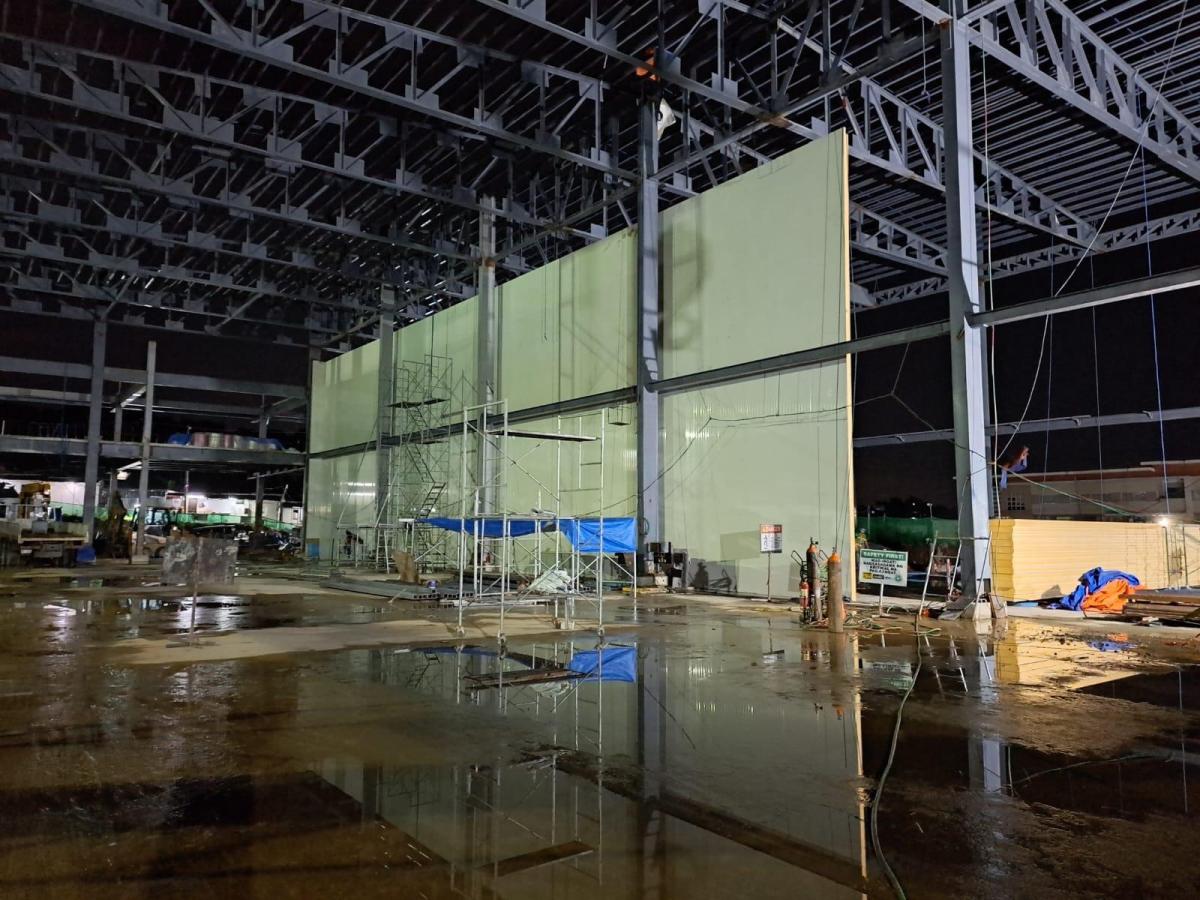
Cold room panel assembly
Door installation
Refrigeration equipment installation
Refrigeration piping
Electrical connections
Temperature control installation
System testing
Commissioning
Before installation begins, the site should be checked for available space, electrical supply, drainage, equipment access, ventilation, and ambient conditions.
Proper installation is important because mistakes in panel sealing, refrigeration connections, electrical wiring, or equipment positioning can affect long-term performance.
How To Install Cold Room Panels And Insulation
Cold room panels form the insulated enclosure and help minimize heat transfer between the interior and surrounding environment.
The installation normally involves assembling the floor, wall, and ceiling panels according to the planned dimensions.
Important installation considerations include:
Correct panel alignment
Proper panel connections
Sealing of joints
Door frame installation
Floor insulation
Ceiling support
Prevention of air leakage
Poorly sealed panel joints can allow warm air and moisture to enter the cold room, increasing refrigeration load and potentially causing condensation or frost.
The panel installation should therefore follow the manufacturer's assembly requirements.
How To Install A Cold Room Refrigeration System
The refrigeration system is responsible for removing heat from the cold room.
Depending on the design, installation may involve a condensing unit, evaporator, condenser, compressor, refrigerant piping, expansion device, electrical controls, and temperature sensors.
The basic process includes positioning the equipment, installing the refrigeration lines, connecting electrical components, checking the system, and commissioning the refrigeration unit.
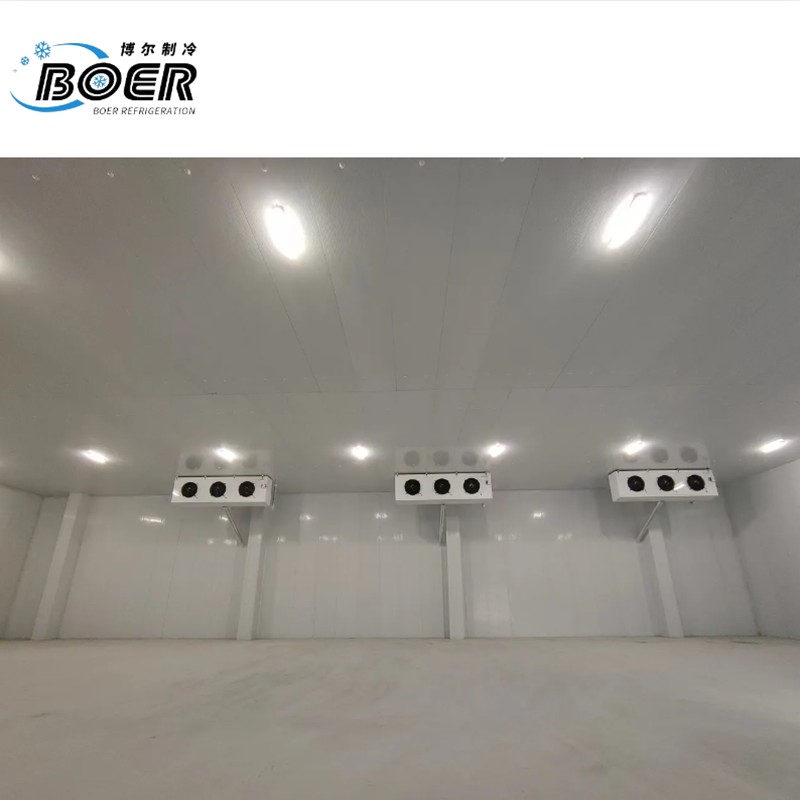
Equipment location is important. The condensing unit should have sufficient ventilation and maintenance access, while the evaporator should be positioned to provide effective air circulation inside the cold room.
Refrigeration installation should be performed according to the equipment manufacturer's specifications and applicable technical requirements.
Cold Room Maintenance Guide: Daily, Monthly & Annual Checks
Regular maintenance can help prevent unexpected failures and maintain refrigeration efficiency.
Daily Checks
Operators can monitor:
Door closing and sealing
Unusual noise or vibration
Frost accumulation
Product storage conditions
Monthly Checks
A more detailed inspection can include:
Evaporator condition
Condenser cleanliness
Refrigeration performance
Door seals
Temperature sensors
Electrical components
Drainage
Annual Checks
Annual maintenance may include a comprehensive inspection of refrigeration equipment, electrical systems, insulation, controls, refrigerant system, and safety components.
The exact maintenance schedule should depend on the equipment, operating conditions, and manufacturer's recommendations.
Common Cold Room Problems And How To Troubleshoot Them
Cold rooms can experience different problems during operation.
Common symptoms include:
Room temperature too high
Excessive frost
Water leakage
Compressor frequently starting and stopping
Unusual noise
Poor airflow
High energy consumption
Condensation
Refrigeration system failure
Troubleshooting should begin by identifying the symptoms and checking the most likely causes.
For example, high temperature may be related to refrigeration capacity, door opening, insulation, airflow, sensors, or equipment problems.
A systematic troubleshooting process can help identify the actual cause instead of replacing components unnecessarily.
How To Reduce Cold Room Energy Consumption
Refrigeration is often one of the major operating costs of a cold room. Energy consumption can be reduced by improving both the enclosure and refrigeration system.
Improve Insulation
Good-quality panels and properly sealed joints reduce unwanted heat transfer.
Reduce Unnecessary Door Opening
Keeping the door open for long periods allows warm air to enter and increases refrigeration demand.
Maintain Refrigeration Equipment
Dirty condensers, blocked airflow, frost buildup, and poorly maintained equipment can reduce system efficiency.
Avoid Overloading
Products should be arranged to maintain adequate airflow around the evaporator and storage area.
Use Appropriate Temperature Settings
Operating the cold room at a lower temperature than necessary can increase energy consumption.
Maintain Door Seals
Damaged door gaskets can allow warm air to enter continuously.
Energy efficiency should be considered during both initial design and daily operation.
Cold Room Temperature Problems: Causes And Solutions
Temperature problems are among the most common cold room operating issues.
If the room cannot reach or maintain the required temperature, possible causes may include:
Insufficient refrigeration capacity
Excessive product loading
Frequent door opening
Poor insulation
Refrigerant system problems
Dirty condenser
Frost-covered evaporator
Incorrect temperature sensor position
Poor airflow
Control system problems
The correct solution depends on the actual cause.
For example, if temperature problems occur mainly after frequent door opening, air infiltration may be the primary issue. If the room gradually becomes warmer despite normal door operation, refrigeration equipment or airflow should be investigated.
Temperature monitoring can help identify whether the problem is temporary or persistent.
Cold Room Installation And Maintenance Work Together
Installation quality directly affects future maintenance requirements.
Properly installed panels reduce air leakage. Correctly positioned refrigeration equipment improves airflow and service access. Proper electrical connections help reduce control problems. Accurate temperature sensor installation improves temperature regulation.
For this reason, maintenance should not be viewed as a separate activity from installation.
A well-designed and correctly installed cold room is generally easier to maintain and troubleshoot throughout its operating life.
Cold Room Maintenance Checklist
Best Practices For Cold Room Operation
Good operating practices can reduce maintenance problems and improve system efficiency.
Keep doors closed when the room is not being accessed. Avoid blocking evaporators with products. Maintain sufficient airflow between stored products and cold room surfaces.
Operators should also monitor temperature regularly and report unusual noise, frost, water leakage, or temperature fluctuations as soon as they appear.
Regular cleaning is particularly important in food-related applications where hygiene is an essential part of cold storage operation.
When Should A Cold Room Be Professionally Inspected?
Professional inspection may be necessary when the cold room:
Cannot reach the target temperature
Has abnormal energy consumption
Produces unusual sounds
Experiences repeated compressor problems
Develops significant frost buildup
Has refrigerant system issues
Shows electrical or control failures
Experiences repeated temperature fluctuations
Early inspection can help prevent minor problems from becoming major equipment failures.
Conclusion
Cold room installation and maintenance are essential for reliable temperature-controlled storage. Correct installation ensures that panels, insulation, refrigeration equipment, electrical controls, and temperature systems work together properly.
After commissioning, regular maintenance should focus on temperature, doors, insulation, evaporators, condensers, refrigeration equipment, drainage, electrical systems, and controls.
When problems occur, troubleshooting should focus on identifying the actual cause rather than simply replacing components. At the same time, improving insulation, reducing unnecessary door opening, maintaining refrigeration equipment, and optimizing temperature settings can help reduce energy consumption.
A properly installed and regularly maintained cold room can provide more stable temperature control, better energy efficiency, fewer unexpected failures, and longer equipment service life.
CHAIDONG
Professional generator set manufacturer
24/7 before-sales and after-sales services
Comprehensive technical support