






Cold Room Price & Cost: Complete Guide to Equipment, Installation & Investment
The price of a cold room depends on much more than the size of the refrigerated space. The total investment can include insulated panels, doors, refrigeration equipment, electrical controls, flooring, installation, transportation, commissioning, and other project requirements.
There is no single standard cold room price because every project has different requirements. A small walk-in cold room for a restaurant may have a relatively simple configuration, while an industrial cold storage facility may require large refrigeration systems, multiple temperature zones, specialized insulation, and more complex installation.
Understanding the main cost factors can help buyers compare quotations and choose a cold room solution based on both initial investment and long-term operating costs.
Cold Room Price: Complete Cost Guide For Buyers
When evaluating a cold room price, buyers should look at the complete system rather than the price of individual equipment.
A typical cold room project may include:
Insulated wall and ceiling panels
Cold room floor
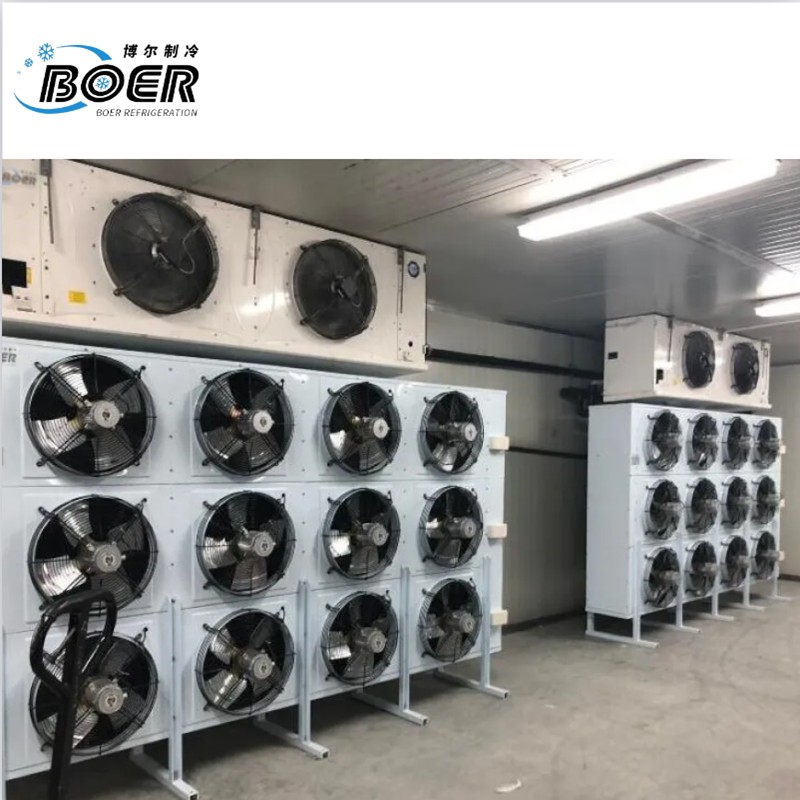
Evaporator
Refrigeration controls
Electrical components
Lighting
Installation and commissioning
The final price depends on the specifications of each component and the complexity of the project.
Buyers should also confirm whether transportation, installation, commissioning, and after-sales support are included in the quotation.
How Much Does A Cold Room Cost? Complete Price Breakdown
Cold room cost varies according to the size, temperature, insulation, refrigeration system, and installation requirements.
The major cost factors normally include:
Cold Room Size
Larger rooms require more insulated panels, larger doors, and greater refrigeration capacity.
Storage Temperature
A freezer or deep-freezing room generally requires different insulation and refrigeration equipment from a chilled cold room.
Insulation
Panel material and thickness influence both initial cost and long-term energy performance.
Refrigeration Equipment
The compressor, condensing unit, evaporator, condenser, and control system can represent a significant part of the total investment.
Installation
Installation may include panel assembly, refrigeration connections, electrical work, testing, and commissioning.
Therefore, a useful cold room quotation should describe the complete configuration instead of providing only a single equipment price.
Walk-In Cold Room Price: What Determines The Total Cost?
Walk-in cold room pricing depends on the size, temperature range, insulation specifications, refrigeration system, door configuration, and installation conditions.
A small walk-in cold room may require a compact refrigeration system, while a larger room needs higher cooling capacity and more insulation materials.
Frequent door opening can also affect refrigeration requirements because warm air enters the room each time the door is opened.
When comparing walk-in cold room quotations, buyers should check:
Internal dimensions
Storage temperature
Panel material and thickness
Refrigeration capacity
Door type
Floor construction
Electrical requirements
Installation scope
This provides a more accurate basis for comparing different suppliers.
Small Cold Room Price: Equipment, Panels & Installation Costs
Small cold rooms are commonly used by restaurants, hotels, convenience stores, small food businesses, and agricultural operations.
Their total investment is generally influenced by three major areas: the insulated enclosure, refrigeration equipment, and installation.
Although a smaller room normally requires less material and refrigeration capacity, some components have relatively fixed costs. This means the cost per unit of storage capacity does not necessarily decrease in direct proportion to room size.
A small cold room should therefore be designed carefully to avoid paying for unnecessary capacity or equipment while still providing sufficient storage space and refrigeration performance.
Industrial Cold Room Cost: Complete Investment Breakdown
Industrial cold rooms require a different approach to cost evaluation because the project may include large storage areas, multiple rooms, multiple temperature zones, larger refrigeration systems, and specialized infrastructure.
Industrial cold room investment may include:
Large insulated enclosures
Insulated floors
Industrial refrigeration systems
Multiple evaporators
Condensing units
Temperature monitoring
Electrical control systems
Loading and unloading areas
Installation and commissioning
The cost should be evaluated based on the complete project rather than comparing individual components.
Energy efficiency is also particularly important for industrial facilities because refrigeration can represent a significant portion of long-term operating costs.
Cold Room Installation Cost: Labor, Equipment & Materials
Installation cost depends on the size and complexity of the project as well as local labor and site conditions.
Installation work may include:
Preparing the installation area
Installing floor insulation
Assembling wall and ceiling panels
Installing the cold room door
Positioning refrigeration equipment
Connecting refrigeration piping
Electrical installation
Control system installation
Testing and commissioning
Site accessibility can also affect installation cost. Projects with difficult equipment access, long piping distances, special electrical requirements, or complex layouts may require additional labor and materials.
When requesting a quotation, buyers should confirm exactly what installation services are included.
Cold Room Panel Price: PU And PIR Panel Cost Guide
Cold room panels are an important part of the total project cost because they form the insulated enclosure.
PU and PIR panels are commonly used in temperature-controlled storage applications.
PU Cold Room Panels
PU panels provide effective thermal insulation and are widely used in commercial and industrial cold rooms.
PIR Cold Room Panels
PIR panels can provide strong thermal insulation performance and may be selected for projects with specific fire performance or insulation requirements.
Panel price depends on factors such as:
Panel material
Panel thickness
Panel dimensions
Surface material
Joint design
Required temperature
Quantity
Project specifications
The cheapest panel is not necessarily the most economical option. Insulation performance can influence refrigeration energy consumption over the operating life of the cold room.
Cold Room Refrigeration System Price: What Affects The Cost?
The refrigeration system is another major part of the overall cold room investment.
A complete system may include:
Compressor
Condensing unit
Evaporator
Condenser
Expansion device
Refrigeration controls
Temperature sensors
Electrical components
System price depends on the required cooling capacity, operating temperature, compressor type, refrigerant, equipment configuration, and project requirements.
A refrigeration system for a chilled room may have significantly different requirements from a freezer or blast freezing application.
For this reason, buyers should avoid comparing refrigeration system prices without checking the technical specifications and cooling capacity.
Main Factors That Affect Cold Room Investment
Although every project is different, the main cost factors can be summarized as follows:
Initial Price Vs. Long-Term Cold Room Cost
The lowest purchase price is not always the lowest overall cost.
A cold room should be evaluated over its operating life. Insulation performance, refrigeration efficiency, equipment reliability, maintenance requirements, and energy consumption can all affect the total cost of ownership.
For example, investing in better insulation may increase the initial project cost but reduce heat transfer and refrigeration energy consumption over time.
Similarly, correctly sized refrigeration equipment can help balance initial equipment investment and long-term operating efficiency.
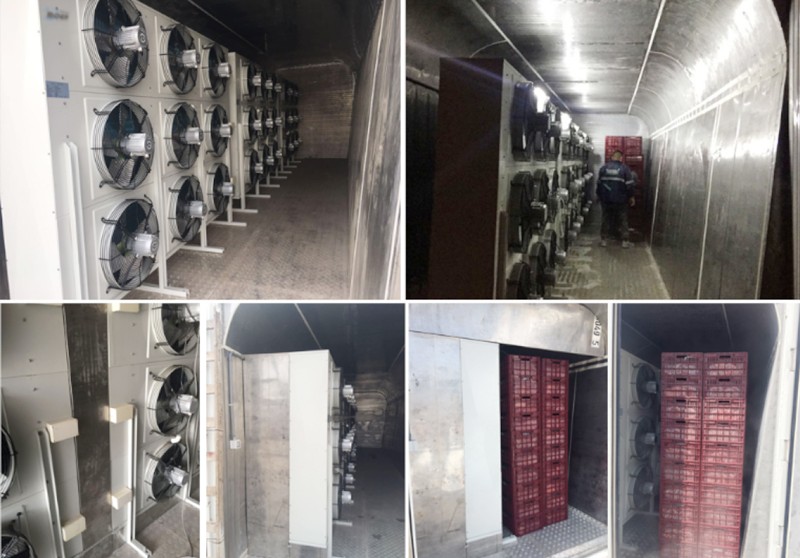
How To Compare Cold Room Quotations
When comparing suppliers, buyers should make sure the quotations are based on comparable specifications.
Check the following items:
Cold room dimensions
Operating temperature
Panel material and thickness
Door specifications
Refrigeration capacity
Compressor and condensing unit
Evaporator specifications
Temperature control system
Installation scope
Transportation and commissioning
Warranty and after-sales service
Comparing only the final price can lead to an inaccurate decision if two suppliers are offering different equipment configurations.
How To Reduce Cold Room Costs
Cost optimization should focus on the complete system rather than simply choosing the cheapest components.
Optimize Room Size
Avoid building significantly more storage capacity than required.
Select Appropriate Insulation
Choose panel material and thickness according to the operating temperature and local climate.
Match Refrigeration Capacity
Correct refrigeration sizing can avoid both insufficient cooling and unnecessary equipment investment.
Improve Door Sealing
Effective door sealing reduces unwanted heat infiltration.
Consider Energy Efficiency
A more efficient refrigeration system may reduce operating costs throughout the service life of the cold room.
Plan Installation Carefully
Proper planning can reduce unnecessary piping, electrical work, labor, and installation delays.
Cold Room Price And Investment Planning
A cold room should be considered as a complete investment rather than simply a piece of refrigeration equipment.
The total project cost can be summarized as:
Cold Room Panels + Door + Refrigeration Equipment + Controls + Floor + Installation + Transportation + Commissioning
However, the investment decision should also consider future electricity consumption, maintenance, spare parts, equipment reliability, and expected service life.
For commercial and industrial buyers, evaluating total cost of ownership can provide a more meaningful comparison than comparing the initial purchase price alone.
Conclusion
Cold room price and cost depend on many interconnected factors, including room size, storage temperature, insulation, refrigeration equipment, doors, flooring, installation, transportation, and customization.
Small walk-in cold rooms may have relatively simple configurations, while industrial cold storage projects can require larger refrigeration systems, multiple temperature zones, advanced controls, and more complex installation.
When comparing suppliers, buyers should evaluate the complete technical specification rather than focusing only on the quoted price. The best cold room solution should provide the right balance between initial investment, refrigeration performance, energy efficiency, reliability, and long-term operating cost.
A detailed project specification and complete quotation are the best starting points for determining the actual cost of a cold room.
CHAIDONG
Professional generator set manufacturer
24/7 before-sales and after-sales services
Comprehensive technical support